
Choosing a secure crypto wallet is crucial for protecting your digital assets. With the increasing popularity of cryptocurrencies, the risk of theft and loss is also rising. This article highlights 10 must-have features in a secure crypto wallet to ensure the safety and security of your crypto investments. Learn about essential functionalities like multi-factor authentication, hardware security modules (HSMs), and robust encryption, enabling you to make informed decisions when selecting the best wallet to safeguard your digital currency holdings.
Multi-Factor Authentication (MFA)

Multi-factor authentication (MFA), also known as two-factor authentication (2FA), significantly enhances security by requiring users to provide multiple forms of authentication to verify their identity before granting access to a system or resource.
Unlike traditional methods relying solely on a single factor, such as a password, MFA employs a layered approach. This typically involves combining something the user knows (like a password), something the user has (like a security token or smartphone), and/or something the user is (like a fingerprint or facial recognition). This multi-layered approach makes it exponentially more difficult for unauthorized individuals to gain access, even if they manage to compromise one authentication factor.
The benefits of implementing MFA are substantial. It provides a robust defense against phishing attacks, password breaches, and other common security threats. By requiring multiple forms of verification, MFA effectively reduces the likelihood of successful unauthorized access attempts, protecting sensitive data and systems from compromise.
Different MFA methods exist, each with its own strengths and weaknesses. These include time-based one-time passwords (TOTP), push notifications, security keys, biometric authentication, and more. The optimal choice of MFA method depends on the specific security requirements and the technological capabilities of the system and the users.
Deployment and management of MFA can vary depending on the chosen method. Some solutions are easily integrated into existing systems, while others may require more significant technical adjustments. Proper training for users is essential to ensure they understand how to utilize the chosen MFA method effectively and securely.
In conclusion, MFA is a crucial security measure in today’s digital landscape. Its implementation offers a significant improvement in security posture, mitigating risks associated with single-factor authentication methods and providing a strong defense against a wide range of cyber threats. Organizations and individuals alike should prioritize the adoption and utilization of MFA to enhance their overall security.
Cold Storage Capability
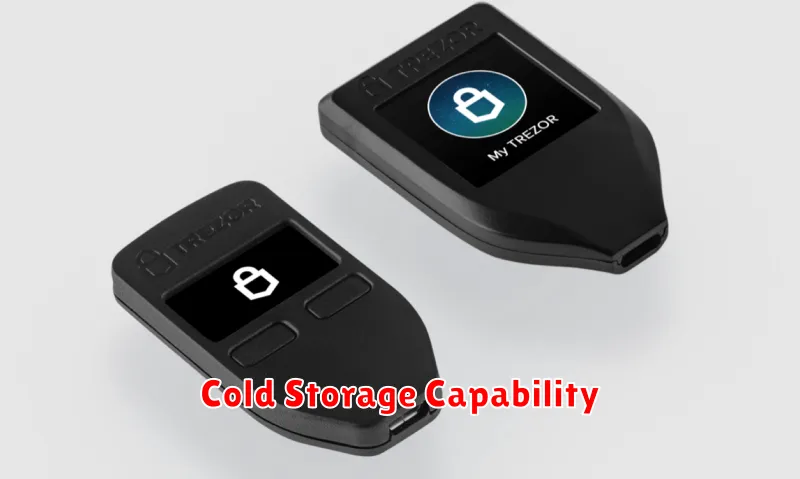
Cold storage refers to the capacity to maintain materials, typically food or pharmaceuticals, at low temperatures to preserve their quality and extend their shelf life. This process inhibits the growth of microorganisms and slows down enzymatic reactions that can lead to spoilage or degradation.
The capability of a cold storage facility is determined by several key factors. These include the size of the storage area, the type of refrigeration system employed (e.g., blast freezing, chillers), the temperature range achievable, and the capacity for temperature monitoring and control. Advanced systems often incorporate automated controls and data logging for precise temperature management.
Effective cold storage requires careful consideration of various aspects. Proper insulation is crucial to minimize energy consumption and maintain consistent temperatures. The layout and design of the storage area should optimize airflow and accessibility. Furthermore, robust maintenance schedules are essential to ensure the reliable and efficient operation of refrigeration equipment and to prevent malfunctions that could compromise the integrity of stored goods.
The applications of cold storage are extensive and span diverse industries. In the food industry, it is vital for preserving perishable goods like fruits, vegetables, meat, and dairy products. The pharmaceutical industry relies on cold storage for maintaining the potency and efficacy of temperature-sensitive medications and vaccines. Beyond these, cold storage finds applications in numerous other sectors, including scientific research and industrial processes involving temperature-sensitive materials.
Investing in robust cold storage infrastructure is often a significant undertaking, requiring careful planning and consideration of long-term operational costs. However, the benefits in terms of reduced spoilage, extended shelf life, and maintained product quality justify the investment for many businesses and organizations.
User-Friendly Interface
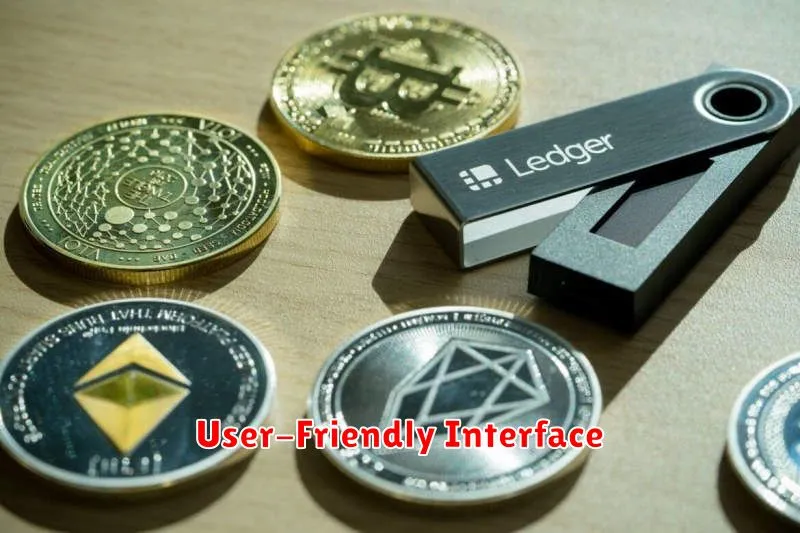
A user-friendly interface is crucial for the success of any software application or website. It ensures that users can easily navigate and interact with the system, accomplishing their tasks efficiently and without frustration.
Intuitive design is a cornerstone of a user-friendly interface. Elements should be logically placed and easily identifiable, reducing the cognitive load on the user. Clear visual cues, such as icons and labels, guide users through the system, minimizing the need for extensive training or instruction manuals.
Consistency is another key factor. The design and functionality should remain consistent throughout the application. Buttons, menus, and other interactive elements should behave predictably, preventing user confusion and error. A consistent design also improves the overall aesthetic appeal of the interface.
Accessibility is paramount. A user-friendly interface caters to users with diverse needs and abilities. This includes considerations for users with visual impairments (e.g., sufficient color contrast, alternative text for images), auditory impairments (e.g., captions for videos), and motor impairments (e.g., keyboard navigation).
Feedback mechanisms are essential for informing the user about the system’s status and the results of their actions. Clear messages, progress indicators, and visual cues provide reassurance and enhance the user experience. This ensures the user understands what is happening and can anticipate what will happen next.
Error prevention and handling are critical aspects of a user-friendly interface. The system should be designed to prevent errors as much as possible, providing clear warnings and guidance when errors do occur. Error messages should be concise, informative, and helpful, guiding the user toward a solution.
In conclusion, a well-designed user-friendly interface significantly enhances the overall user experience, leading to increased user satisfaction, productivity, and ultimately, the success of the application or website. It’s an investment in usability and accessibility, benefitting both the users and the developers.
Backup and Recovery Options

Organizations must implement robust backup and recovery strategies to ensure business continuity and data protection. The selection of appropriate strategies depends heavily on factors such as the size and type of organization, the criticality of data, and budgetary constraints. Careful consideration should be given to the various options available.
Full backups, while time-consuming, provide a complete copy of all data. They serve as the foundation for other backup strategies and are crucial for disaster recovery scenarios. Incremental backups only capture changes made since the last full or incremental backup, resulting in faster backup times and reduced storage requirements. Differential backups capture changes since the last full backup, offering a compromise between full and incremental backups in terms of speed and storage.
The choice of backup media is equally critical. Options range from local storage devices, such as hard drives and solid-state drives (SSDs), to cloud storage services and tape libraries. Each option presents trade-offs regarding cost, speed, accessibility, and security. Consider factors such as data growth, recovery time objectives (RTOs), and recovery point objectives (RPOs) when making this decision.
Recovery testing is an essential component of any backup and recovery plan. Regularly testing the restoration process ensures the plan’s effectiveness and identifies potential weaknesses. This should include verifying the integrity and recoverability of critical data and applications. A documented disaster recovery plan, including detailed recovery procedures and responsibilities, is crucial for minimizing downtime and data loss in the event of a major incident.
Finally, security should be a primary concern throughout the entire backup and recovery process. Protecting backups from unauthorized access, accidental deletion, and ransomware attacks is paramount. Encryption, access control, and secure storage locations are vital aspects of a comprehensive security strategy.
Multi-Currency Support

Multi-currency support is a crucial feature for businesses operating internationally or dealing with customers in multiple countries. It allows businesses to conduct transactions and manage finances in various currencies, simplifying operations and improving efficiency.
A robust multi-currency system offers several key benefits. Firstly, it eliminates the need for constant currency conversions, saving both time and money. Secondly, it improves accuracy in financial reporting by reflecting transactions in their original currencies. This is particularly important for audits and regulatory compliance.
Implementing multi-currency support requires careful planning and consideration of several factors. This includes selecting a suitable accounting software or platform that offers this functionality, establishing clear procedures for handling different currencies, and understanding the implications of exchange rate fluctuations. Regular currency updates are also critical for maintaining accurate records.
Furthermore, businesses need to consider the implications of tax regulations and compliance requirements in each jurisdiction where they operate. This includes understanding local accounting standards and tax reporting procedures related to multi-currency transactions. Seeking professional advice from accountants or financial experts specializing in international finance is highly recommended.
The benefits of multi-currency support far outweigh the complexities involved in its implementation. By providing a seamless experience for both businesses and their international clientele, it fosters growth and strengthens financial management. The ability to process payments and manage accounts in multiple currencies is essential for success in the global marketplace.
Private Key Encryption
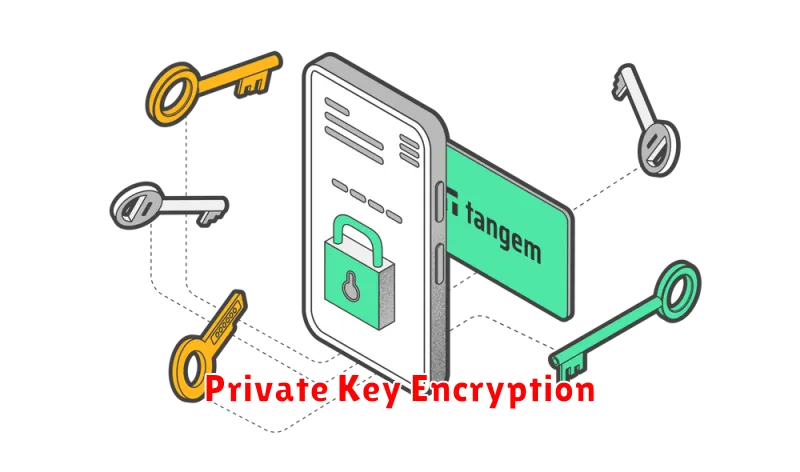
Private key encryption, also known as symmetric encryption, uses a single secret key to both encrypt and decrypt data. This key must be kept confidential and shared securely between the sender and receiver.
The process involves using an algorithm to transform plaintext into ciphertext using the secret key. The same key is then used to reverse the process, transforming the ciphertext back into readable plaintext.
Advantages of private key encryption include its speed and efficiency. It’s generally much faster than public key encryption. However, the major disadvantage lies in the secure key exchange. Sharing the secret key securely can be challenging, especially over long distances or insecure networks.
Common algorithms used for private key encryption include AES (Advanced Encryption Standard), DES (Data Encryption Standard), and 3DES (Triple DES). AES is currently the most widely used and considered a strong encryption standard.
Because of the key exchange challenge, private key encryption is often used in conjunction with public key encryption (asymmetric encryption) to establish a secure channel for exchanging the secret key. This combined approach provides a robust and secure solution for data protection.
In summary, private key encryption is a powerful tool for securing data, but careful consideration must be given to the secure distribution and management of the secret key.
Integration with DeFi Platforms

Integrating with decentralized finance (DeFi) platforms presents a significant opportunity for businesses to tap into a rapidly growing ecosystem. This integration allows for enhanced financial services, increased transparency, and the potential for greater efficiency.
Key benefits include access to a wider range of financial instruments, lower transaction costs compared to traditional systems, and the ability to leverage smart contracts for automated processes. For example, businesses can utilize DeFi protocols for lending, borrowing, and trading cryptocurrencies, potentially unlocking new capital sources and streamlining operations.
However, there are also challenges to consider. The regulatory landscape surrounding DeFi is still evolving, posing complexities for businesses looking to comply with legal requirements. Furthermore, the inherent volatility of cryptocurrency markets and the potential for smart contract vulnerabilities introduce risks that require careful management and mitigation strategies.
Successful integration depends on a thorough understanding of the DeFi ecosystem, including the specific protocols and technologies involved. Businesses should carefully assess their needs and choose platforms that align with their risk tolerance and strategic objectives. Robust security measures are paramount, as are mechanisms to monitor and manage the associated risks.
In conclusion, while integration with DeFi platforms offers substantial potential for innovation and growth, it’s crucial to proceed with a well-defined strategy, considering both the benefits and the inherent risks. A cautious and informed approach is essential to successfully harness the power of DeFi.
Mobile and Desktop Compatibility

Ensuring compatibility across various devices is crucial for a successful application. This involves careful consideration of screen sizes, input methods, and operating systems.
Responsive design is a key technique for achieving mobile and desktop compatibility. This approach uses flexible layouts and CSS media queries to adapt the website or application’s appearance to different screen sizes and orientations. It ensures a consistent and user-friendly experience regardless of whether the user is accessing it from a large desktop monitor or a small smartphone screen.
Testing on a variety of devices is vital to identify and resolve any compatibility issues. This includes testing on different operating systems (iOS, Android, Windows, macOS), browsers (Chrome, Firefox, Safari, Edge), and screen resolutions. Thorough testing will help identify and address any glitches or inconsistencies before the application is released to a wider audience.
Another important factor is considering the input methods. Users on mobile devices primarily interact through touch, while desktop users utilize keyboards and mice. The design should be intuitive and easy to use across both input methods. This includes ensuring that buttons and interactive elements are appropriately sized and spaced for touch interactions and that keyboard navigation is seamlessly integrated.
By prioritizing cross-platform compatibility, developers can create applications accessible to a broader range of users, leading to increased engagement and satisfaction. A well-designed and tested application will adapt smoothly to various devices, providing a consistent experience across all platforms.
Low Transaction Fees

We understand that transaction fees can be a significant concern for our users. That’s why we’ve designed our system to offer some of the lowest fees in the industry. We believe in transparent and affordable pricing, allowing you to maximize your profits and minimize your expenses.
Our commitment to low fees extends across all our services. Whether you’re making a single transaction or processing a high volume of payments, you can expect to benefit from our competitive pricing structure. We constantly strive to optimize our processes to ensure you receive the best value possible.
We offer a variety of pricing plans to cater to different needs and transaction volumes. You can choose the plan that best suits your business, ensuring you only pay for the services you actually use. Our transparent fee schedule is readily available for your review, providing clarity and predictability in your budgeting.
Beyond just low fees, we also provide excellent customer support. Our dedicated team is available to answer any questions you may have regarding our pricing or any other aspect of our services. We’re committed to providing a seamless and hassle-free experience for all our clients.
Contact us today to learn more about our competitive pricing and how we can help you save money on your transactions. Experience the difference of working with a company that prioritizes both low costs and exceptional service.
Excellent Customer Support

Providing excellent customer support is crucial for any business seeking to thrive in today’s competitive market. It’s more than just resolving issues; it’s about building strong relationships with your customers and fostering loyalty.
A key element of excellent support is accessibility. Customers should be able to easily reach you through various channels, such as phone, email, live chat, and social media. Responsiveness is equally important; aiming for quick response times demonstrates that you value your customers’ time and concerns.
Effective communication is paramount. Clearly and concisely addressing customer inquiries, using language they understand, and providing helpful solutions are essential. Empathy and patience are vital when dealing with frustrated or upset customers. Remember, a positive interaction can significantly improve their overall experience.
Beyond immediate issue resolution, proactive support can enhance customer satisfaction. This might include offering helpful tutorials, FAQs, or proactively reaching out to address potential problems. Personalized service, such as remembering customer preferences or past interactions, can also make a big difference.
Finally, continuous improvement is vital. Regularly solicit customer feedback to identify areas for improvement and adapt your support strategies accordingly. Invest in training your support team to ensure they possess the necessary skills and knowledge to provide outstanding service. By prioritizing excellent customer support, businesses build trust, loyalty, and a strong positive reputation.
