
The transformative potential of blockchain technology extends far beyond cryptocurrencies. This article explores five real-world benefits of blockchain, demonstrating its applicability across diverse sectors. Discover how this revolutionary distributed ledger technology is enhancing security, transparency, efficiency, and trust in various industries, from supply chain management to healthcare and finance. Learn how blockchain’s immutability and decentralized nature are reshaping the future of business and technology.
Transparency in Financial Transactions
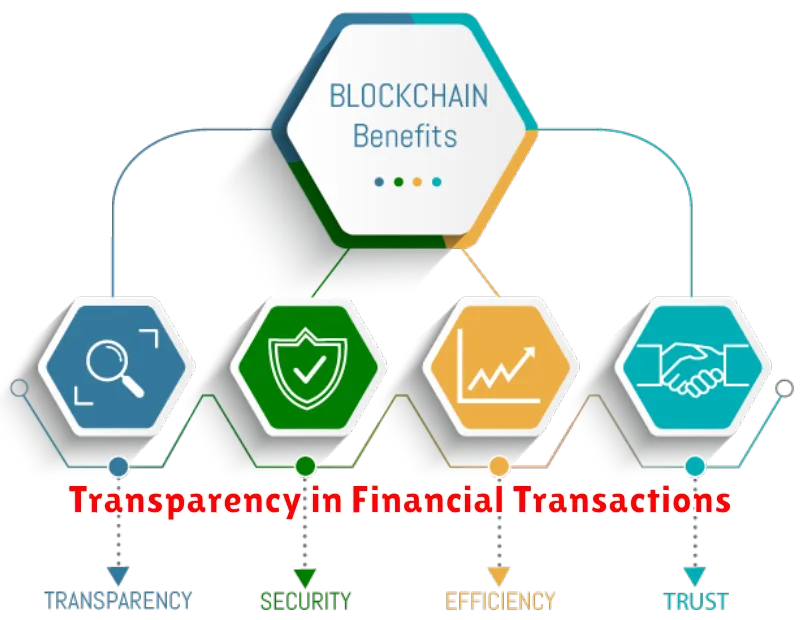
Transparency in financial transactions is paramount for maintaining a healthy and trustworthy financial system. It fosters accountability, reduces the risk of fraud and corruption, and promotes investor confidence.
Increased transparency allows for better monitoring of financial activities, enabling timely detection of suspicious patterns and potential illegal activities. This proactive approach contributes significantly to preventing financial crimes and safeguarding the interests of all stakeholders.
Regulations mandating transparency often require detailed disclosure of financial information, including ownership structures, beneficial owners, and the nature of transactions. This detailed information helps to illuminate potentially obscured dealings and strengthens the ability of regulatory bodies to enforce compliance.
The benefits of transparent financial transactions extend beyond the realm of regulation. Businesses that operate with transparency often enjoy enhanced reputational benefits, attracting investors and fostering stronger relationships with clients and partners. This builds trust and contributes to long-term sustainability.
However, achieving complete transparency presents certain challenges. Balancing transparency with the need for privacy and confidentiality requires careful consideration. Striking the right balance between these competing interests is crucial for the effective implementation of transparency initiatives.
Technological advancements, such as blockchain technology, offer promising solutions for enhancing transparency in financial transactions. These technologies facilitate secure and auditable records, further improving accountability and reducing the potential for manipulation.
In conclusion, fostering transparency in financial transactions is vital for a robust and reliable financial system. While challenges exist, the benefits of increased transparency far outweigh the costs, ultimately contributing to a more stable, secure, and equitable financial environment for all.
Improving Data Security and Privacy
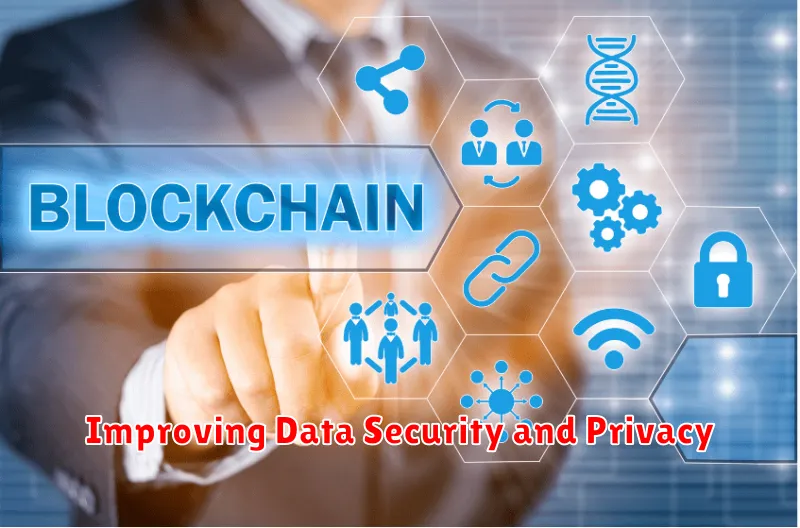
In today’s digital landscape, data security and privacy are paramount concerns for individuals and organizations alike. The increasing reliance on technology and the proliferation of interconnected systems have created a complex environment where sensitive information is constantly at risk. Effective strategies are crucial to mitigate these risks and protect valuable assets.
Robust security measures are essential for safeguarding data. This includes implementing strong access controls, such as multi-factor authentication and role-based access control, to restrict unauthorized access. Regular security audits and penetration testing can identify vulnerabilities before malicious actors exploit them. Furthermore, employing encryption technologies to protect data both in transit and at rest is vital.
Beyond technical safeguards, data privacy necessitates a comprehensive approach. Organizations must comply with relevant regulations, such as GDPR and CCPA, which dictate how personal data should be collected, processed, and protected. Implementing privacy-enhancing technologies, such as differential privacy and homomorphic encryption, can allow for data analysis while preserving individual privacy. Transparency and user consent are also critical components of a responsible data privacy framework.
Employee training plays a crucial role in bolstering data security and privacy. Educating employees about phishing scams, social engineering tactics, and best practices for handling sensitive information can significantly reduce the risk of human error. Regular security awareness training should be mandatory for all staff members.
Finally, incident response planning is a critical aspect of data protection. Developing a well-defined incident response plan enables organizations to effectively manage and mitigate data breaches. This plan should outline procedures for identifying, containing, and remediating security incidents, as well as communicating with affected parties.
By implementing a holistic approach that encompasses strong technical controls, robust legal frameworks, thorough employee training, and comprehensive incident response planning, organizations can significantly enhance their data security and privacy posture. This is an ongoing process requiring continuous monitoring, adaptation, and improvement to stay ahead of evolving threats.
Reducing Fraud in Online Transactions
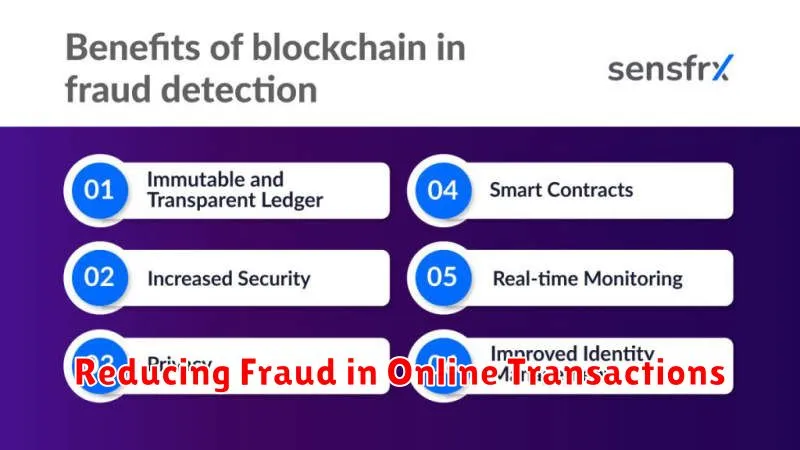
The proliferation of online transactions has unfortunately led to a corresponding increase in fraudulent activities. Protecting consumers and businesses from these illicit activities requires a multi-faceted approach encompassing technological advancements, robust security measures, and enhanced regulatory frameworks.
Technological solutions play a crucial role in fraud prevention. Advanced techniques such as artificial intelligence (AI) and machine learning (ML) are increasingly utilized to analyze transaction patterns and identify anomalies indicative of fraudulent behavior. These technologies can detect unusual spending habits, geographical inconsistencies, and other red flags in real-time, allowing for immediate intervention and minimizing financial losses.
Strengthening security protocols is paramount. Implementing multi-factor authentication (MFA), robust password policies, and encryption technologies are essential steps towards enhancing the security landscape. Regular security audits and vulnerability assessments are also necessary to identify and address potential weaknesses in systems before they can be exploited by fraudsters.
Effective regulatory frameworks are vital for establishing a trustworthy online environment. Clear guidelines, stringent penalties for fraudulent activities, and collaboration between financial institutions, law enforcement agencies, and regulatory bodies are crucial to deterring fraud and ensuring accountability. Furthermore, consumer education plays a significant role, empowering individuals to recognize and avoid common fraudulent schemes.
In conclusion, reducing fraud in online transactions demands a comprehensive strategy that leverages technological advancements, strengthens security measures, and establishes robust regulatory frameworks. By combining these elements, we can create a more secure and trustworthy digital marketplace for both consumers and businesses.
Decentralized Cloud Storage
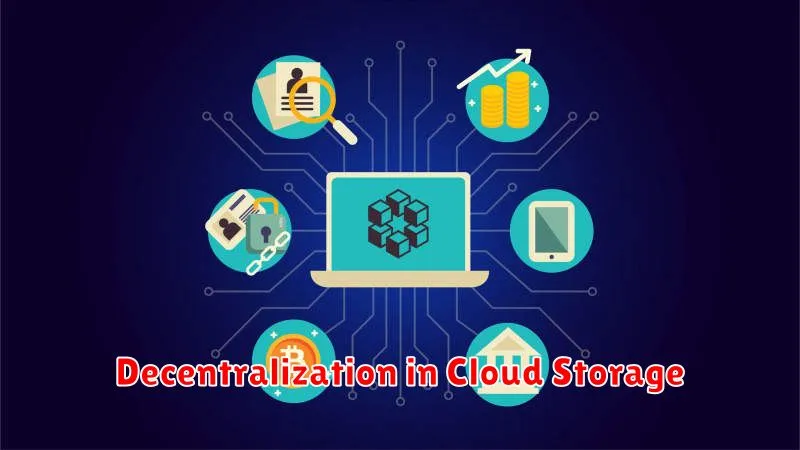
Decentralized cloud storage represents a paradigm shift from traditional centralized cloud storage models. Instead of relying on a single entity to manage and control data, decentralized systems distribute data across a network of independent nodes. This distributed architecture offers several key advantages, including enhanced security, resilience, and privacy.
One of the most significant benefits is improved security. Since data isn’t concentrated in a single location, a breach of one node doesn’t compromise the entire system. Furthermore, the use of cryptographic techniques often enhances data protection, making it more difficult for unauthorized actors to access sensitive information.
Resilience is another compelling advantage. The distributed nature of decentralized systems means that the loss or failure of individual nodes doesn’t lead to data loss. The system remains operational and accessible, ensuring business continuity. This contrasts sharply with centralized systems, where a single point of failure can have catastrophic consequences.
Privacy concerns are increasingly important in today’s digital world. Decentralized systems can offer greater privacy by limiting the amount of data controlled by any single entity. Users have more control over their own data, reducing the risk of unauthorized access or surveillance.
However, decentralized cloud storage also presents challenges. Scalability can be more complex to manage compared to centralized systems. Interoperability between different decentralized platforms may also be an issue. Additionally, user experience could be more technically demanding for users not familiar with the underlying technologies.
Despite these challenges, decentralized cloud storage is a rapidly evolving field with the potential to fundamentally alter how we store and manage data. Ongoing advancements in technology and the growing demand for enhanced security and privacy are driving its adoption and further development.
Enhancing Supply Chain Efficiency
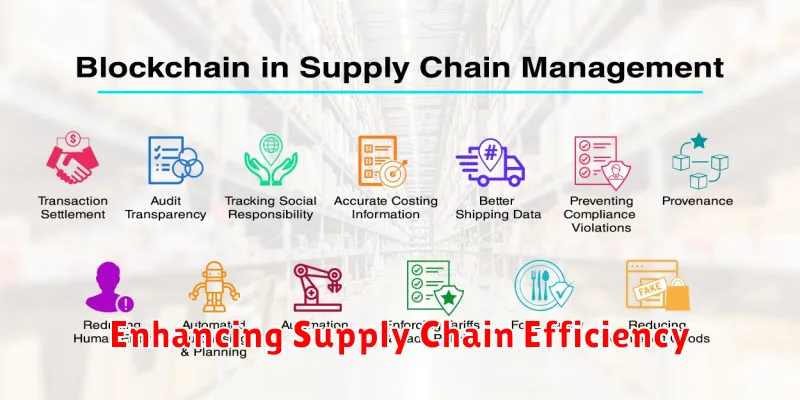
Supply chain efficiency is paramount for any business aiming for profitability and growth. A well-oiled supply chain ensures that products reach consumers on time and at the right price, minimizing waste and maximizing value.
Inventory management is a critical component. Effective strategies, such as implementing a Just-in-Time (JIT) system or utilizing demand forecasting tools, can significantly reduce storage costs and prevent stockouts or overstocking. Regular inventory audits help to identify discrepancies and refine processes.
Technology plays a vital role in enhancing supply chain efficiency. Enterprise Resource Planning (ERP) systems provide real-time visibility into all aspects of the supply chain, from procurement to delivery. Supply chain management (SCM) software automates tasks, streamlines workflows, and improves collaboration among stakeholders.
Strategic partnerships with reliable suppliers are essential. Building strong relationships based on trust and transparency ensures a consistent supply of quality materials and reduces lead times. Collaborative planning, forecasting, and replenishment (CPFR) can optimize the entire supply chain.
Process optimization involves identifying and eliminating bottlenecks throughout the supply chain. This often requires a thorough analysis of existing processes, identifying areas for improvement, and implementing changes to streamline operations. Lean methodologies, such as Six Sigma and Kaizen, can be highly effective in this regard.
Finally, risk management is crucial. Supply chains are vulnerable to disruptions, such as natural disasters, political instability, and pandemics. Developing contingency plans and building resilience into the supply chain are essential for mitigating potential risks and ensuring business continuity.
