
Discover the transformative power of blockchain technology with this exploration of five real-world applications revolutionizing various industries. We’ll delve into how blockchain is impacting sectors ranging from supply chain management and finance to healthcare and digital identity, showcasing its potential to increase transparency, security, and efficiency. Learn how this innovative technology is driving disruption and reshaping the future of business and beyond.
Blockchain in Finance: Faster and Safer Transactions
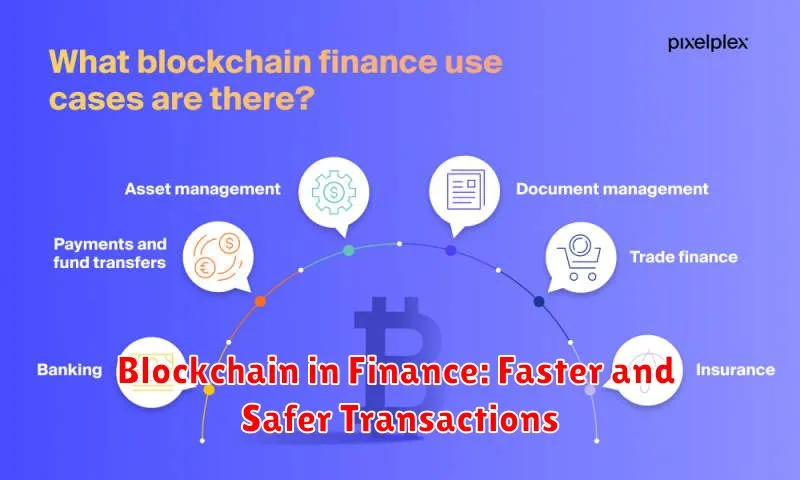
The financial industry is undergoing a significant transformation driven by the emergence of blockchain technology. This decentralized, distributed ledger technology offers the potential to revolutionize financial transactions, making them faster, more secure, and more transparent.
One of the key advantages of blockchain in finance is the increased speed of transactions. Traditional financial systems often involve multiple intermediaries, leading to delays and inefficiencies. Blockchain eliminates many of these intermediaries, streamlining the process and significantly reducing transaction times. This is particularly beneficial for international payments, where delays can be substantial.
Furthermore, blockchain enhances security. The cryptographic nature of blockchain makes it extremely difficult to tamper with or alter transaction records. This inherent security reduces the risk of fraud and enhances the integrity of the financial system. The decentralized nature of the technology also means there’s no single point of failure, making it more resilient to cyberattacks.
Transparency is another significant benefit. All transactions on a blockchain are recorded publicly and immutably, allowing for increased accountability and auditability. This transparency can improve trust among parties involved in financial transactions and help to prevent fraudulent activities.
Despite the numerous benefits, the adoption of blockchain in finance is still in its early stages. Challenges remain, including scalability, regulatory uncertainty, and the need for widespread adoption across the industry. However, the potential benefits are substantial, and the continued development and refinement of blockchain technology are paving the way for a more efficient and secure financial future.
In conclusion, blockchain technology offers a transformative solution to longstanding challenges in the financial industry. Its potential to accelerate transactions, enhance security, and increase transparency makes it a compelling technology with the power to reshape the future of finance.
Supply Chain Management: Enhancing Transparency
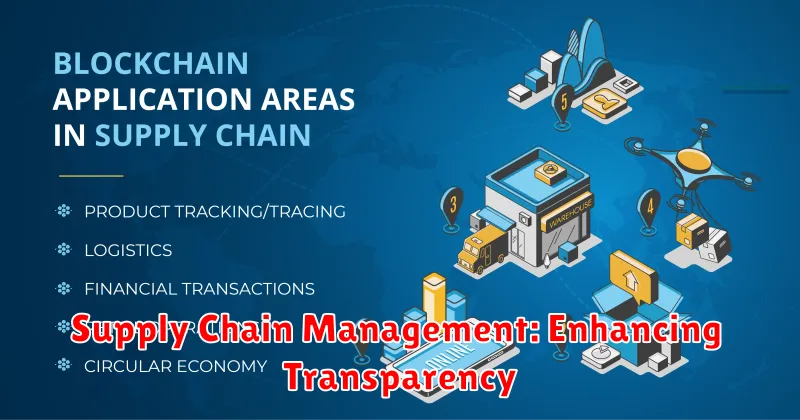
Effective supply chain management (SCM) is crucial for the success of any modern business. A robust SCM system ensures the timely delivery of goods and services, optimizes costs, and maintains customer satisfaction. However, a significant challenge in achieving these goals lies in the lack of transparency across the various stages of the supply chain.
Transparency in supply chains refers to the ability to readily track and trace products and materials throughout their journey, from origin to final delivery. This involves having readily available information on all aspects of the process, including sourcing, manufacturing, logistics, and distribution. Increased transparency provides a more complete view of the supply chain’s performance, which leads to better decision-making and improved efficiency.
Implementing technologies such as blockchain and RFID (Radio-Frequency Identification) can dramatically enhance supply chain transparency. Blockchain creates an immutable record of transactions, allowing for complete traceability of products and materials. RFID tags provide real-time tracking of goods throughout the supply chain, enabling businesses to monitor their movement and location at all times. These technologies offer real-time visibility, making it easier to identify and resolve issues quickly.
Beyond technology, achieving greater transparency requires a commitment to collaboration and data sharing among all supply chain partners. This includes suppliers, manufacturers, distributors, and retailers. Open communication and the free flow of information are essential for identifying bottlenecks, improving coordination, and mitigating risks.
The benefits of improved supply chain transparency are numerous. It enables businesses to better manage risk, improve efficiency, enhance sustainability practices, and build greater trust with consumers. Consumers are increasingly demanding greater transparency regarding the origins and ethical sourcing of products, making transparent supply chains a key differentiator in the marketplace.
In conclusion, enhancing transparency in supply chain management is not merely a best practice; it’s a necessity for businesses to remain competitive and sustainable in today’s globalized marketplace. By leveraging technology and fostering collaborative relationships, organizations can unlock the full potential of their supply chains and achieve greater efficiency, resilience, and customer satisfaction.
Blockchain in Healthcare: Secure Medical Records
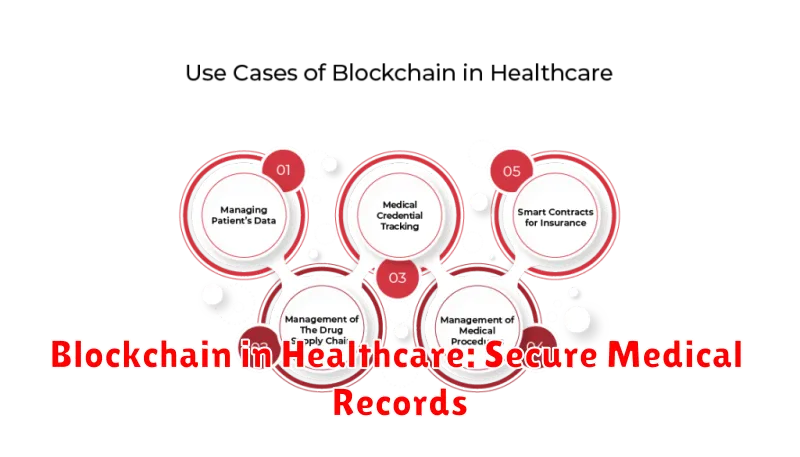
The healthcare industry is ripe for disruption, and blockchain technology offers a promising solution to many of its longstanding challenges. One of the most significant areas where blockchain can make a difference is in the secure management and sharing of medical records.
Currently, the system of storing and accessing patient health information is often fragmented and inefficient. Data silos exist across different healthcare providers, making it difficult for clinicians to access a complete picture of a patient’s health history. This can lead to errors in diagnosis and treatment, as well as increased healthcare costs.
Blockchain’s decentralized and immutable nature offers a potential solution. By storing medical records on a distributed ledger, blockchain can create a single, unified source of truth. This allows authorized healthcare professionals to access a patient’s complete health history securely and efficiently, regardless of where the data was originally created.
Furthermore, blockchain enhances data security and privacy. The cryptographic nature of blockchain makes it extremely difficult for unauthorized individuals to access or alter patient information. This addresses concerns around data breaches and HIPAA compliance, which are major issues in the current healthcare landscape.
Improved interoperability is another key benefit. Blockchain can facilitate seamless data sharing between different healthcare providers and systems, streamlining workflows and improving patient care. This interoperability can also lead to better research opportunities, enabling researchers to access anonymized data for medical advancements.
However, the implementation of blockchain in healthcare is not without its challenges. Scalability, regulatory hurdles, and the need for widespread adoption are significant obstacles that need to be overcome. Despite these challenges, the potential benefits of blockchain technology for secure medical records management are undeniable and warrant continued exploration and development.
In conclusion, blockchain technology holds significant promise for revolutionizing healthcare by providing a secure, efficient, and transparent system for managing medical records. Addressing the current challenges will be crucial to realizing its full potential and improving the overall quality of patient care.
Voting Systems: Reducing Election Fraud

Election fraud poses a significant threat to the integrity of democratic processes. Robust and secure voting systems are crucial to mitigating this risk and maintaining public trust in electoral outcomes. The implementation of advanced technologies and improved security protocols can significantly reduce vulnerabilities.
One key aspect is the adoption of voter verification systems. These systems can help prevent duplicate registrations and ensure only eligible voters participate in elections. This includes implementing rigorous identity checks and employing biometric authentication methods where feasible.
Another critical component is the use of secure ballot technologies. Paper ballots, while susceptible to physical tampering, provide an auditable trail that can be independently verified. Electronic voting machines, while offering speed and efficiency, require robust security features to prevent manipulation and hacking. Independent audits and transparent counting processes are essential regardless of the voting method used.
Furthermore, strong cybersecurity measures are paramount in protecting election infrastructure from cyberattacks. This involves regular security assessments, robust firewalls, and multi-factor authentication for all system access. Training election officials on cybersecurity best practices is also critical to minimizing vulnerabilities.
Beyond technological solutions, transparency and public access to election data are vital for building trust. Openly sharing information about voter registration, vote counts, and audit results enhances accountability and allows for independent verification of results. Promoting voter education on election processes and their rights also plays a crucial role in reducing the likelihood of fraud.
In conclusion, a multi-faceted approach involving technological advancements, robust security protocols, transparent processes, and voter education is essential for building resilient and secure voting systems. This combined effort significantly reduces the risk of election fraud, strengthening the integrity of democratic elections and fostering public confidence.
Smart Contracts: Automating Legal Agreements

Smart contracts are self-executing contracts with the terms of the agreement between buyer and seller being directly written into lines of code. This eliminates the need for intermediaries to enforce the agreement.
The blockchain technology underlying smart contracts ensures transparency and security. All transactions are recorded on a distributed, immutable ledger, making it virtually impossible to alter or tamper with the contract’s terms after deployment.
One of the key advantages is automation. Once the pre-defined conditions are met, the contract automatically executes, transferring funds or assets without human intervention. This reduces delays and disputes common in traditional contract enforcement.
However, limitations exist. The code needs to be meticulously written and audited to prevent vulnerabilities. Furthermore, legal enforceability of smart contracts varies across jurisdictions, requiring careful consideration of applicable laws.
Potential applications are vast, ranging from supply chain management and escrow services to digital identity and intellectual property rights. The potential for increased efficiency and trust makes smart contracts a transformative technology.
Security remains a paramount concern. Bugs or exploits in the code can have significant financial consequences. Thorough testing and audits are crucial to mitigate these risks.
In conclusion, smart contracts offer a powerful tool for automating legal agreements, improving efficiency, and increasing trust. However, careful consideration of legal and security implications is essential for successful implementation.
