
Protecting your crypto investments requires a proactive approach. This article outlines 5 essential security tips every crypto investor should know to mitigate risks and safeguard their digital assets. Learn how to bolster your cryptocurrency security, from securing your hardware wallet to implementing robust password management practices, ultimately reducing your vulnerability to crypto scams and cyberattacks.
Use a Hardware Wallet for Long-Term Storage
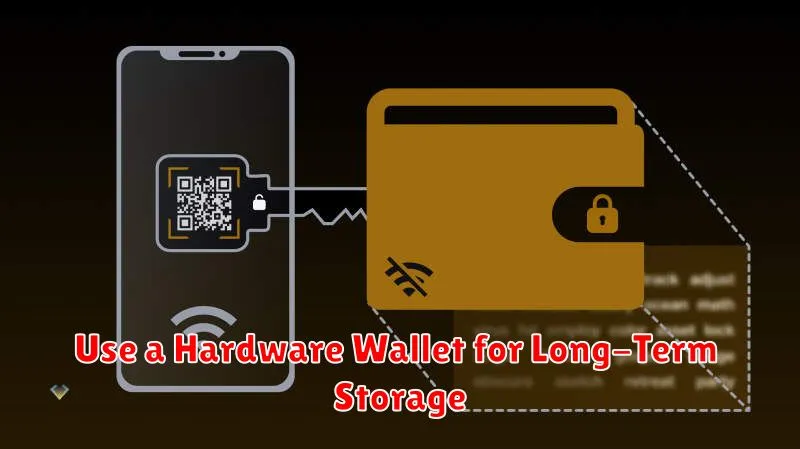
For long-term cryptocurrency storage, a hardware wallet offers the most secure solution. Unlike software wallets or exchanges, hardware wallets store your private keys offline, significantly reducing the risk of hacking and theft. This makes them ideal for holding significant amounts of cryptocurrency over extended periods.
The offline nature of hardware wallets is their key advantage. Because your private keys never connect to the internet, they are immune to malware, phishing attacks, and other online threats that commonly target software wallets. This provides a crucial layer of security for your digital assets.
While the initial investment in a hardware wallet may seem significant, consider it an investment in the security of your assets. The peace of mind knowing your cryptocurrency is protected from virtually all online threats far outweighs the cost. Various reputable brands offer hardware wallets with varying levels of security and features, allowing you to choose one that best suits your needs and budget.
Properly securing your seed phrase is paramount even with a hardware wallet. The seed phrase is the master key to your cryptocurrency, and losing it means losing access to your funds. Therefore, store your seed phrase in a secure, offline location, separate from your hardware wallet. Consider using a metal plate or a robust, fireproof safe.
Regularly update the firmware on your hardware wallet to benefit from security patches and improvements. Manufacturers regularly release updates to address potential vulnerabilities, and staying up-to-date is crucial for maintaining the highest level of security.
In conclusion, a hardware wallet represents a best practice for long-term cryptocurrency storage. The robust security measures it provides, including offline storage of private keys and firmware updates, significantly mitigate the risks associated with online storage methods. Investing in a reputable hardware wallet is a prudent decision for anyone serious about protecting their digital assets.
Enable Two-Factor Authentication (2FA)
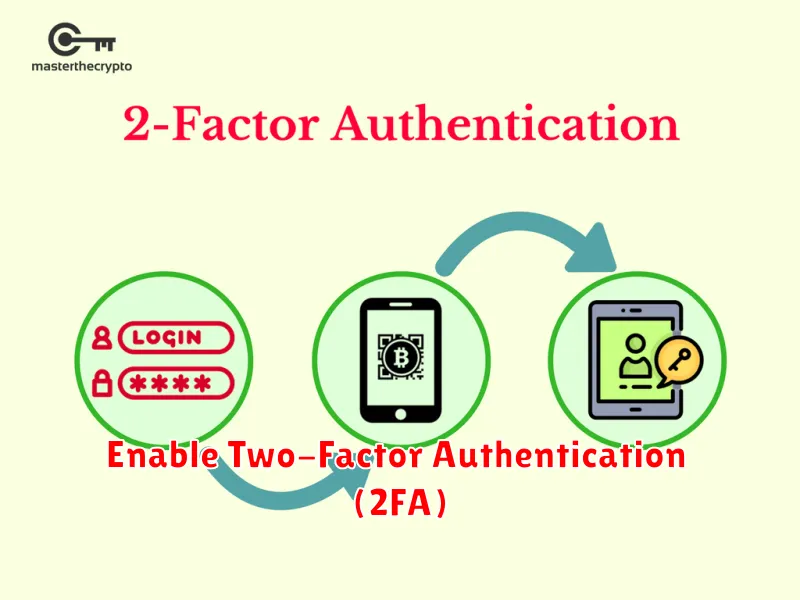
Two-Factor Authentication (2FA), also known as two-step verification, significantly enhances the security of your online accounts. By requiring a second form of verification beyond your password, 2FA adds a crucial layer of protection against unauthorized access, even if your password is compromised.
The process typically involves using a password and a second factor, such as a time-sensitive code generated by an authenticator app (like Google Authenticator or Authy) or a one-time code sent to your phone via SMS or email. This dual authentication makes it exponentially more difficult for malicious actors to gain access to your accounts.
Enabling 2FA is a simple yet highly effective security measure. Most online services, including email providers, social media platforms, and banking websites, offer the option to enable 2FA. Check your account settings to locate the two-step verification or 2FA settings.
The specific steps to enable 2FA may vary slightly depending on the service, but generally involve associating a verification method (e.g., authenticator app, phone number) with your account. Follow the instructions provided by your service provider carefully. Should you encounter any difficulties, refer to the service’s help documentation or contact their support team for assistance.
Implementing 2FA is a crucial step in safeguarding your digital assets and personal information. It is a best practice for all online accounts, offering peace of mind knowing that your data is better protected against cyber threats. Don’t hesitate to adopt this essential security measure today.
Avoid Clicking on Phishing Links
Phishing is a serious cybersecurity threat that can compromise your personal and financial information. It involves deceptive attempts to acquire sensitive information such as usernames, passwords, and credit card details by disguising as a trustworthy entity in electronic communication.
Phishing attacks often utilize malicious links embedded within emails, text messages, or websites. Clicking on these links can lead to the installation of malware on your device, redirect you to fake login pages, or expose your data to cybercriminals.
To avoid becoming a victim of phishing, carefully examine all incoming communications before clicking any links. Be wary of emails or messages that appear suspicious, especially those requesting personal information or containing unusual greetings. Always verify the sender’s identity and authenticity by checking their email address and reviewing their past communications with you. Look for inconsistencies in the sender’s address, grammar, and language used in the message.
Before clicking any link, hover your mouse over it to see the actual URL displayed in your browser’s status bar. This will reveal the true destination of the link and help you identify if it leads to a legitimate website or a malicious one. Legitimate websites generally use HTTPS (indicated by a padlock icon in the browser’s address bar), whereas phishing websites often do not. Be extremely cautious of links that are shortened or obfuscated, as these can be used to hide malicious URLs.
If you are unsure about the authenticity of a link or email, contact the organization purportedly sending the communication directly using a verified phone number or email address listed on their official website. Never respond to requests for personal information through email or text message. Remember, reputable organizations will never ask for sensitive information via these channels.
By practicing these precautions, you can significantly reduce your risk of becoming a victim of phishing attacks and protect your valuable information from cybercriminals. Staying vigilant and employing a healthy dose of skepticism is crucial in maintaining a strong cybersecurity posture.
Regularly Update Your Wallet and Exchange Accounts
Maintaining the security of your cryptocurrency holdings requires consistent vigilance. A crucial aspect of this is regularly updating your cryptocurrency wallets and exchange accounts. These updates often include critical security patches that address vulnerabilities exploited by malicious actors.
Outdated software presents a significant risk. Hackers continuously seek weaknesses in older versions, making your funds vulnerable to theft or loss. By updating to the latest versions, you benefit from the improved security measures and bug fixes incorporated by developers.
The process of updating varies depending on the specific wallet or exchange. Generally, it involves checking for updates within the application’s settings menu. Some platforms will automatically notify you of available updates, while others require you to manually initiate the process. Always carefully read the release notes accompanying any update to understand the changes and potential implications.
Beyond software updates, remember to review and strengthen your account security settings. This includes enabling two-factor authentication (2FA), using strong and unique passwords, and regularly reviewing your authorized devices and login history. Proactive security measures, coupled with regular updates, significantly reduce the risk of compromise.
In conclusion, prioritizing regular updates for your cryptocurrency wallets and exchange accounts is paramount for safeguarding your digital assets. This simple yet essential step contributes significantly to the overall security posture of your cryptocurrency holdings.
Use Reputable and Trusted Exchanges
When engaging in cryptocurrency trading, selecting a reputable and trusted exchange is paramount. This decision significantly impacts your security and overall trading experience. A trustworthy exchange adheres to strict security protocols, protecting your funds and personal information from potential threats.
Research is crucial before choosing an exchange. Look for platforms with a proven track record, positive user reviews, and robust security measures. Consider factors like the exchange’s regulatory compliance, insurance coverage for user assets, and the availability of two-factor authentication (2FA).
Avoid exchanges with a history of security breaches or questionable practices. A secure exchange employs advanced security technologies, such as cold storage for a significant portion of its users’ funds, and regularly undergoes security audits to identify and mitigate vulnerabilities.
Furthermore, a user-friendly interface and readily available customer support are valuable considerations. A well-designed platform simplifies the trading process, while responsive customer support ensures timely assistance should you encounter any issues.
Choosing a reputable exchange is not merely a matter of convenience; it’s a critical step in protecting your investments and minimizing risks associated with cryptocurrency trading. Prioritize security and trustworthiness above all else when making your selection.
